
How to Maintain Your Dental Equipment: Best Practices for Longevity


Maintaining your dental equipment is crucial for ensuring the longevity and efficiency of your practice. Proper care not only extends the lifespan of your tools but also guarantees the safety and satisfaction of your patients. Here are some best practices to help you keep your dental equipment in top condition.
Regular Cleaning and Disinfection
Consistent cleaning and disinfection are essential for preventing contamination and ensuring patient safety. After each use, thoroughly clean equipment with appropriate disinfectants. Make sure to follow the manufacturer's guidelines for each tool.
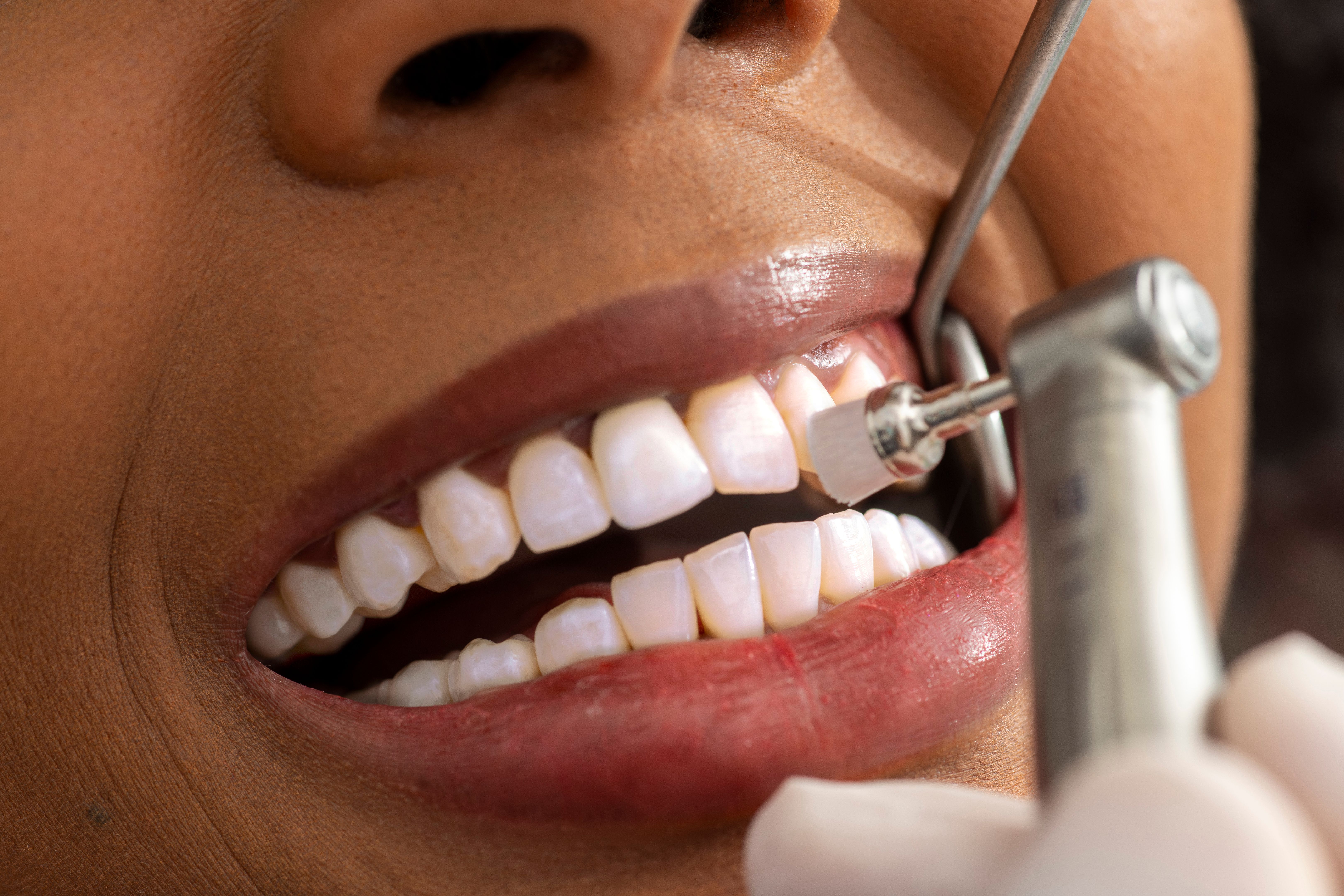
Consider implementing a daily, weekly, and monthly cleaning schedule. This systematic approach helps in maintaining hygiene standards and keeps track of maintenance routines effectively.
Daily Cleaning Routine
At the end of each day, ensure that all tools are properly sterilized. Use an ultrasonic cleaner for small instruments to remove debris, followed by autoclaving. Wipe down surfaces with disinfectant wipes to prevent cross-contamination.
Routine Inspections
Conduct regular inspections to identify wear and tear before they become significant issues. Pay attention to vital equipment like dental chairs, autoclaves, and X-ray machines. Regular checks can prevent unexpected breakdowns and costly repairs.
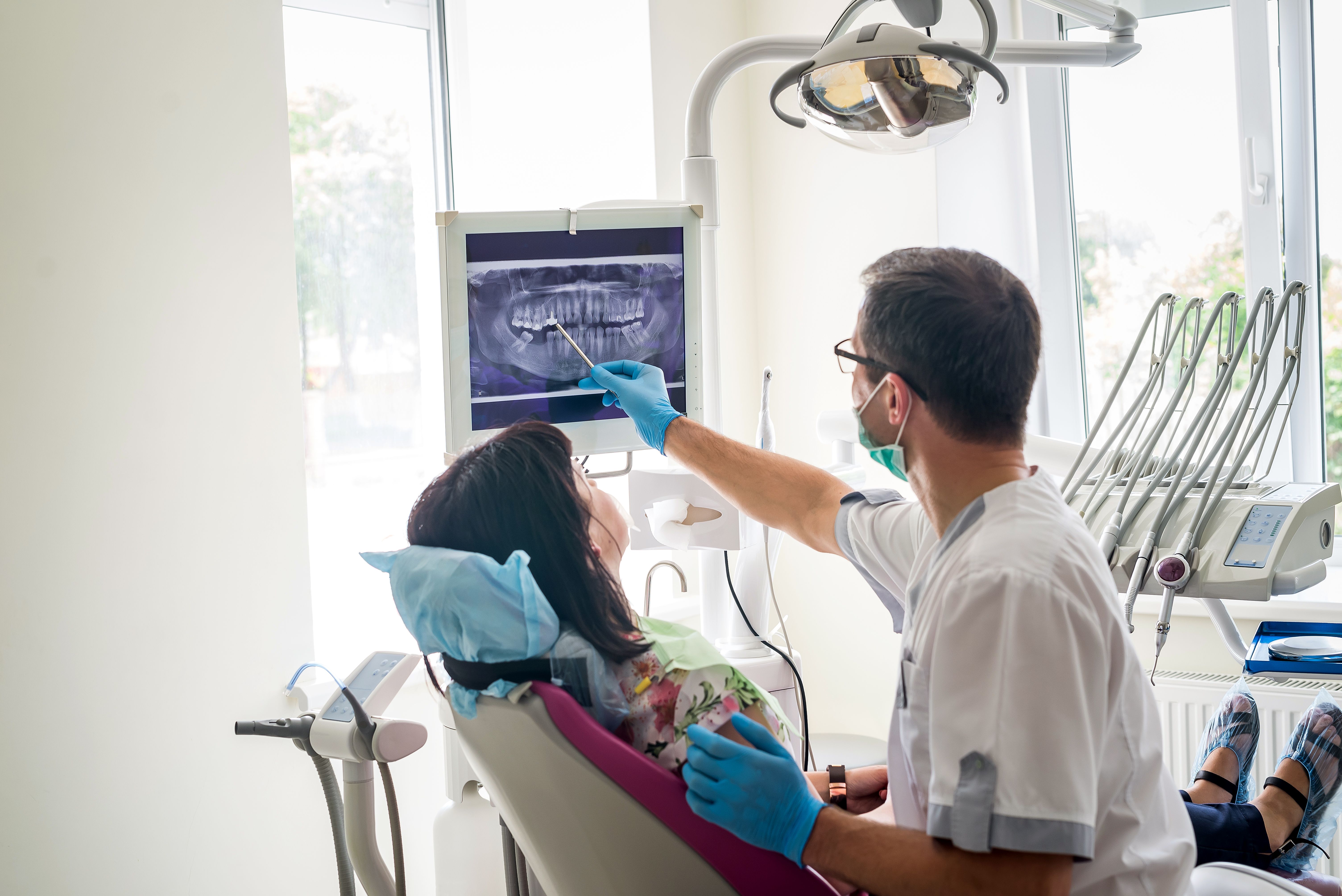
Checklist for Inspections
- Check for any visible damage or malfunction.
- Test functionality of power and control systems.
- Ensure all moving parts are lubricated and functioning smoothly.
Proper Storage
Correct storage practices play a significant role in the longevity of dental equipment. Store instruments in a clean, dry environment to prevent rust and corrosion. Use designated storage units for different types of equipment to avoid damage.
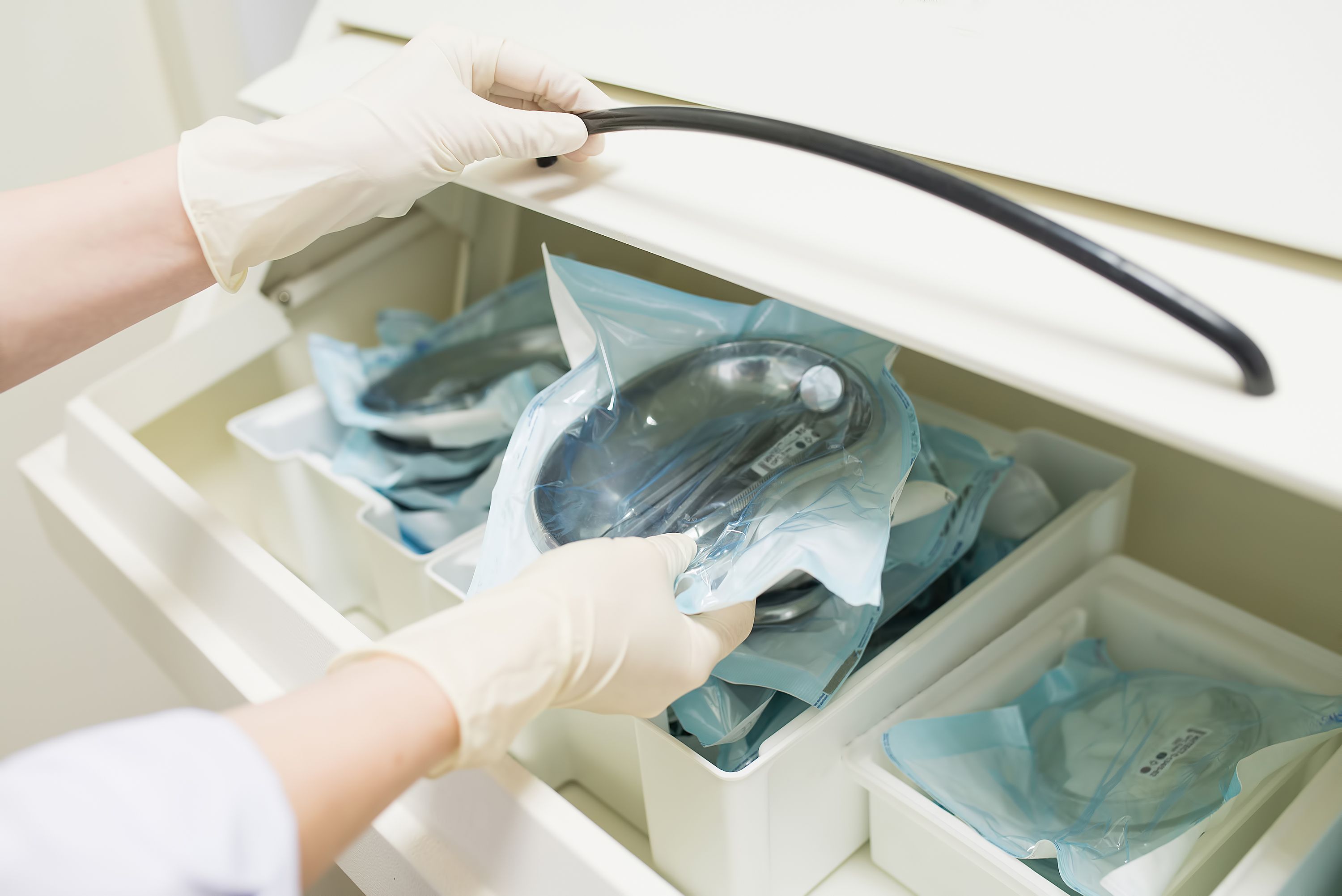
For delicate instruments, consider using padded storage solutions. This extra care minimizes the risk of damage during handling and storage.
Staff Training
Ensure that all staff members are adequately trained in maintaining and handling dental equipment. Regular training sessions help in keeping everyone updated on the latest maintenance protocols and techniques.
Training Topics
- Proper cleaning and sterilization techniques.
- Equipment handling and storage.
- Troubleshooting common issues.
By investing in staff training, you not only enhance the efficiency of your practice but also extend the lifespan of your equipment.
Scheduled Professional Maintenance
In addition to in-house maintenance, schedule regular professional servicing for complex equipment. Qualified technicians can provide comprehensive checks and repairs, ensuring that your equipment remains in optimal condition.
Maintaining dental equipment is a continuous process that requires diligence and attention to detail. By following these best practices, you can ensure that your tools remain safe, effective, and long-lasting, ultimately supporting the success and reputation of your dental practice.